
Introduction
I remember walking into a clinic where the device hummed like an old radio and patients shrugged when results took too long—relatable, right? Many clinics and small spas blame the gear: a red light therapy manufacturer that hasn’t updated its designs can leave practitioners frustrated and clients underwhelmed. Recent surveys suggest many small providers notice slower treatment times and uneven outcomes (roughly one in three report measurable drops in performance). So what really happens when manufacturers stick with legacy parts and old control systems—does it just slow things down, or does it chip away at safety and trust? This piece peels that back and leads us toward smarter choices.
Hidden Flaws in Traditional Designs
red light therapy manufacture often relies on standard LED arrays and legacy drivers that looked fine a decade ago but now show cracks under modern demands. I’ve seen units where irradiance drifted by 20% across sessions because the power converters couldn’t keep output steady as heat built up. That’s not just inconvenient; it changes dose delivery. Classic shortcomings include poor thermal management, inconsistent wavelength stability, and limited feedback control—each a chink in the armor of reliable therapy. Look, it’s simpler than you think: if the LEDs run hot, wavelength shifts happen, and the user gets variable results. Engineers call it thermal runaway sometimes; in practice, the clinician calls it an unreliable device.
Why do legacy devices fail?
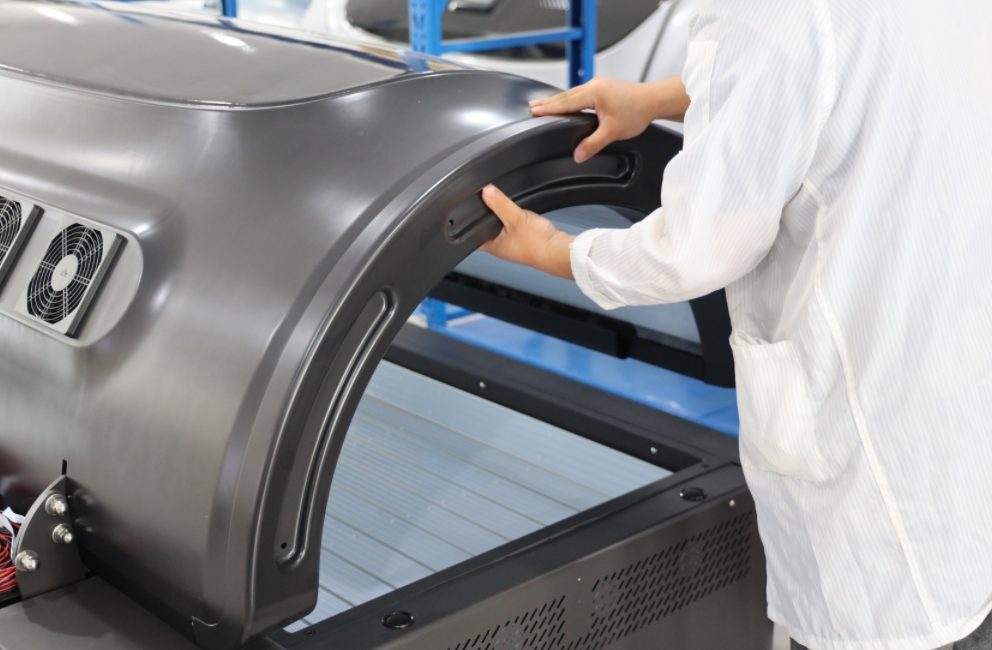
Two common culprits are component aging and weak system integration. Aging LEDs reduce photon output, drivers lose calibration, and control firmware hasn’t been updated to manage new safety thresholds. Add in weak mechanical design—thin heat sinks, poor air paths—and you get hotspots and uneven irradiance maps across the treatment surface. From my hands-on checks, even the mounting of the LED array can change beam uniformity. These problems crop up slowly, so they’re easy to dismiss—until they show up in a bad treatment. — funny how that works, right?
New Principles and a Forward Look
Moving forward, manufacturers who want to stay relevant are adopting smarter power electronics, closed-loop sensors, and better thermal design. Modern designs pair precision power converters with active temperature sensing so that irradiance holds steady across the session. I’ve begun following teams that integrate simple edge computing nodes into control panels to log session data and auto-tune output over time (yes, that’s the future—small, sensible computing at the device edge). These advances help clinicians deliver consistent dosing, reduce callbacks, and build trust with patients. The shift isn’t overnight—but when it happens, the results are clear: shorter sessions, repeatable outcomes, and fewer device failures.
What's Next for Clinics and Brands?
Clinics should ask manufacturers for measurable specs: irradiance uniformity maps, wavelength tolerance ranges, and real-world run-time reports. Manufacturers who invest in modular designs—replaceable LED modules, improved heat sinks, and firmware update paths—stand to earn long-term loyalty. I’m optimistic; I’ve seen prototypes that cut treatment time and improved consistency. — and you can see the difference in follow-up surveys. In short: pick tools that provide data, not excuses.
How to Evaluate New Systems (Three Simple Metrics)
If you’re choosing hardware, here are three practical metrics I use when vetting a red light therapy system. First: irradiance stability — check how output holds after 30 minutes of continuous use. Second: wavelength fidelity — confirm the device stays within its claimed nanometer band under load. Third: thermal resilience — look for documented thermal management and replaceable components. These metrics are easy to check and tell you more than glossy brochures. I’d also add that good documentation and a clear update path matter a lot; a thoughtful manufacturer shows test reports and real usage data. When you evaluate, weigh real performance over marketing language.
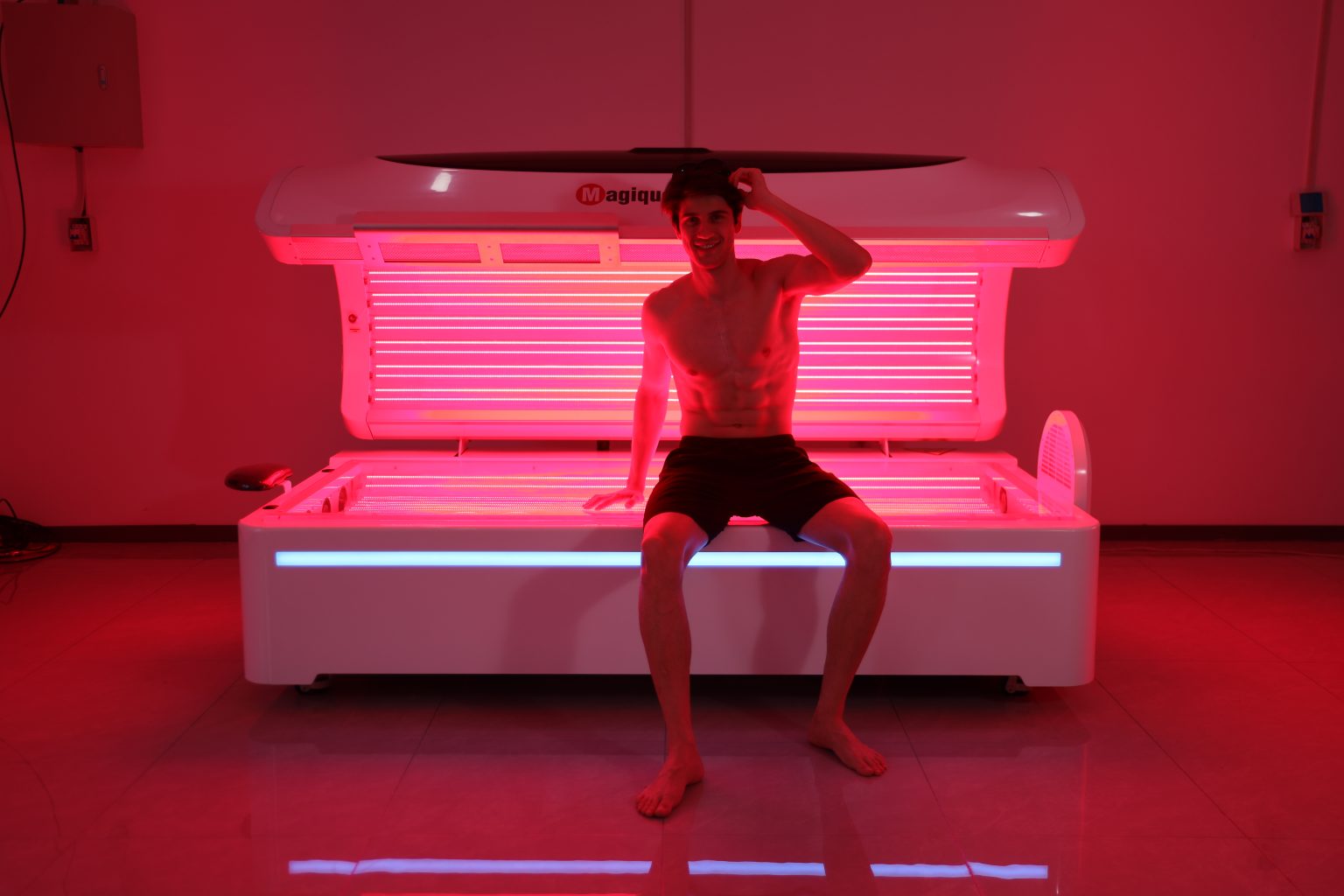 Need a reliable partner? For manufacturers and clinics seeking practical OEM/ODM options, I recommend looking at companies that publish specifications and support upgrade paths—companies like Magique Power. I prefer vendors who share data openly and stand behind their designs. We all want effective treatments and clients who come back—so choose tools that prove they can deliver.