Planning a balanced pond ecosystem
Before you dig or purchase plants, map out the space, light, and water flow to support a sustainable pond environment. Consider the shoreline, depth variations, and access for maintenance, ensuring margins that shelter shy wildlife while preventing algal blooms. A thoughtful plan reduces long-term work and encourages a diverse range of wildlife, from dragonflies to small amphibians, without overwhelming the space with high-maintenance features. Buy Pond Plants Online can help you start with reliable options.
Choose a shape and size that fits your garden and budget, then select a filtration strategy that aligns with your climate. A simple biological filter paired with a gentle pump supports oxygenation without creating excessive currents. By predicting seasonal changes and rainfall, you can stagger plantings and adjust maintenance schedules, keeping the water clear while maintaining a natural appearance that suits a British garden aesthetic.
Selecting pond plants for balance and colour
Start with a core trio: water lilies for shade reduction at the surface, marginal pond plants for the banks, and submerged species to oxygenate and filter. Water lilies provide structural interest and hide pond equipment, while their leaves shelter beneficial insects. Marginal pond plants such as iris and cattails create varied heights and textures along the edge, which helps minimize algae and fosters a natural, layered look that still feels curated and tidy.
As you add species, consider bloom times, leaf shape, and root depth to reduce competition and ensure year-round interest. British pond plants often include hardy varieties that tolerate cool springs and damp summers, offering reliable colour with minimal fuss. Choose a couple of deep-water options to ensure deeper sections stay well oxygenated, supporting a healthy ecosystem even during heatwaves.
Water lilies: key to shade and elegance
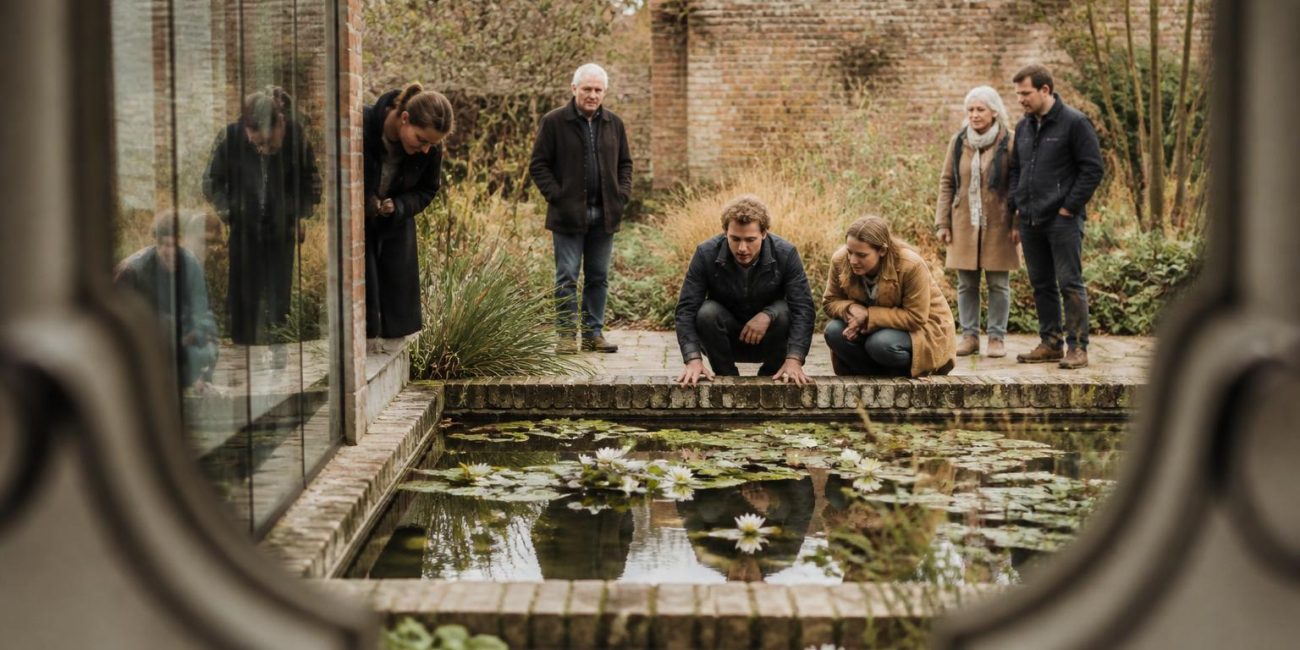
Water lilies are a cornerstone of a balanced pond, providing shade, reducing algae light penetration, and delivering elegant blooms. Choose hardy varieties that survive frost and adapt to local rainfall patterns, ensuring resilience year after year. Surface leaves help regulate temperature, and their broad pads create resting spots for aquatic life and beneficial insects during calmer days and mild evenings.
Plant water lilies at the correct depth, typically with tubers a few inches below the surface, and avoid crowding to preserve space for other marginal plants. Regularly remove spent blooms to encourage healthy growth and prevent decay from affecting water clarity. A well-chosen lily pair can transform a plain pond into a serene focal point that enhances garden views from multiple angles.
Marginal pond plants: edging with texture and movement
Marginal pond plants line the banks, softening the edge with foliage that pockets and filters moisture while providing habitat for tiny pond creatures. Options like marsh marigold, lobelia, and slender rushes create vertical interest, and their roots help stabilize banks against erosion. When placing margins, leave space for stepping stones or seating so you can enjoy the view without disturbing the planting).
Ensure good air circulation around marginal plants by staggering their placement and avoiding overcrowding. This not only improves plant health but also reduces the likelihood of stagnant spots that encourage algae. Marginals also serve as a natural filter by trapping organic debris, which your pond’s ecosystem can gradually break down through microbial activity.
British pond plants in climate-conscious design
In a British climate, select hardy, regionally tested varieties that endure frequent rain and cooler springs. Native or well-adapted species foster biodiversity while simplifying care, as they are more likely to thrive with minimal intervention. A mix of floaters, such as duckweed, can shade the water and reduce algal growth, while deeper-rooted plants provide structure and stability to the pond’s ecosystem.
Balance is essential: mix three to five categories of plants (floating, submerged, marginal, and flowering) to create niches for various organisms. This diversity discourages pest outbreaks and supports a resilient aquatic habitat through seasonal fluctuations, including autumn leaf fall and winter dormancy. Tracking growth and adjusting plant densities annually keeps the pond vibrant and harmonious with the surrounding garden.
Maintenance routines that protect water quality
Regular maintenance is about consistent small actions that prevent big problems. Skim surface debris daily during windy months, prune fading foliage, and monitor chlorine-free water quality if using a tap source. A gentle weekly check of pumps, filters, and seals helps sustain steady circulation, preventing stagnation and supporting a healthy micro-ecosystem for fish and amphibians.
Seasonal tasks like partial water changes, bed refinements, and plant reordering ensure your pond remains balanced and attractive. Harsh chemicals should be avoided; instead, use biological aids and beneficial bacteria to maintain a stable environment. A well-tuned maintenance plan reduces the likelihood of algal blooms and keeps the water clear and inviting for wildlife, not crowds of no-people visitors or overgrown margins.
Designing with wildlife in mind
Structure and choice of plant types directly influence which visitors can thrive in your pond. Create shallow zones with gentle slopes for amphibians and resting beetles, while deeper pockets provide fish and diverse invertebrates with refuge. A varied planting palette with lush margins supports insects and birds, turning the garden into a thriving, low-traffic wildlife corridor rather than a sterile water feature.
Consider adding a small, shallow bioswale nearby to filter runoff and extend biodiversity. Install native or well-suited marginal plants that tolerate the local climate and require minimal fertilizer. A wildlife-friendly approach integrates pond health with garden resilience, producing a naturalistic scene that remains easy to manage and enjoyable to observe without needing constant human intervention.