Foundations of a revived outdoor space
A well-planned garden begins with a clear vision for how the space will function alongside interior living areas. Start by measuring sun patterns, noting wind directions, and determining which zones will hold shade-loving plants versus sun-loving varieties. Align your plant selections with a simple color palette and texture mix to ensure a cohesive flow from door to border. For beginners, consider a small starter bed near a welcoming path to build confidence and momentum as you expand your planting, edging, and lighting plan. Buy Pond Plants Online to begin adding vitality with aquatic interest that complements surrounding decor and seating areas.
Next, map in essential hardscape elements such as a gravel path, a compact patio, or a thin border of mulch to define movement and reduce maintenance later. Treat these surfaces as part of your interior-to-exterior design system, selecting materials that echo indoor tones—soft browns, warm greys, and natural greens. Planning now saves you from patchwork fixes later, enabling a smoother transition when you add lighting, a bench, or a trellis that helps frame vistas and invite lingering in the evenings.
Choosing plants that thrive with minimal fuss
Garden success often hinges on selecting varieties that suit your climate, soil, and water schedule. Begin with hardy perennials that return year after year, then mix in seasonal annuals for color bursts. Group plants by water needs, ensuring drought-tolerant species share the same bed as moisture-loving cases to simplify irrigation. By choosing a balanced mix of evergreen structure and seasonal color, you create visual interest that lasts through the seasons and reduces the need for constant replanting.
Advanced planning includes integrating edible elements alongside ornamental ones for a productive, calming space. A few raised beds or a compact herb spiral can yield fresh garnishes for meals and interiors alike, while climbing vines on a trellis deliver vertical charm and privacy. This approach keeps maintenance reasonable while boosting the garden’s utility as a living extension of your home’s interior experience and decor storytelling.
Water features that fit small spaces
Water has a powerful effect on mood and perception, slowing pace and inviting contemplation. In compact plots, a shallow pond or a bubbling fountain can become the garden’s centerpiece without demanding excessive space. Choose designs with clean lines and subdued tones that harmonize with surrounding plantings and exterior finishes. Consider a pond liner that’s easy to install, and plan electrical access for a subtle, energy-efficient pump that keeps water circulating and inviting for wildlife.
Placement matters: situate water features where you’ll most often view them from living spaces or pathways. Ensure safety with child- or pet-friendly options, and use native marginal plants to frame the water and soften edges. A well-placed feature invites quiet moments of reflection and complements both interior comfort and outdoor decor, reinforcing the home improvement goal of a seamless indoor/outdoor experience.
Lighting that extends useful hours
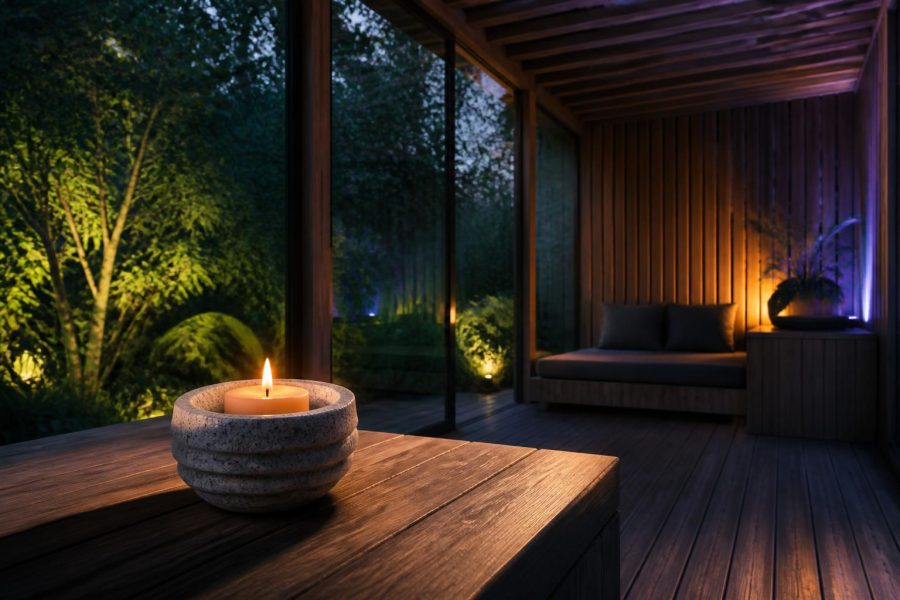
Outdoor lighting transforms the garden after dusk, extending usability and enhancing safety. Layer light by combining pathway lamps, uplights for trees, and ambient ground-level glows near seating areas. Use warm LEDs to mimic indoor warmth and reduce glare, ensuring that the lighting aligns with interior decor choices. A well-lit garden feels larger and more inviting, encouraging evening gatherings and quiet reading moments under a tree shade or pergola roof.
Smart controls add convenience with minimal energy cost, allowing you to adjust brightness and timing to suit daily routines. Consider solar-tuned options for low maintenance or plug-in models with dimmers and scenes that coordinate with living room lighting. Thoughtful lighting helps connect interior and exterior spaces, supporting your home improvement goals without overwhelming the landscape with complexity.
Soil health and sustainable practices
Strong soil is the foundation of any thriving garden, affecting plant vigor, moisture retention, and nutrient cycling. Begin with a soil test to understand pH, nutrient levels, and texture, then amend accordingly with compost, well-rotted manure, or mineral blends matching your plant choices. Regular mulching keeps moisture stable, suppresses weeds, and gradually enriches the soil as it decomposes, creating a healthier baseline for your entire planting plan.
Adopting sustainable gardening practices reduces maintenance and environmental impact. Collect rainwater in a barrel to hydrate plant beds during dry spells, and implement a drip irrigation system that targets roots with minimal waste. These strategies integrate with interior-f stories of responsible home improvement, ensuring your outdoor space remains a practical, low-maintenance extension of decor and daily living.
Seasonal care that pays off
Seasonal routines transform maintenance from guesswork into predictable steps that protect plant health and garden structure. In spring, prune conservatively to invigorate growth, remove dead wood, and feed with a balanced fertilizer. In autumn, tidy fallen leaves into mulch layers or compost, preparing soil for winter and reducing disease risk. Establish a monthly checklist for irrigation, pest monitoring, and plant splits to keep a robust, well-managed garden year-round.
Effective seasonal care also means keeping a compact toolkit handy: hand pruners, small trowel, a spray bottle for organic treatments, and labels to track plant varieties and care notes. With consistent routines, your garden remains a steady source of joy and a natural decor element that complements interior spaces while supporting home improvement ambitions.
Texture and variety through decorative details
- Stone or wood edging to create crisp boundaries between beds and lawns
- Raised planters for accessible gardening and dynamic viewpoints
- Seasonal textiles like garden ribbons or cushions to soften seating areas
Integrating decor and interior aesthetic outdoors
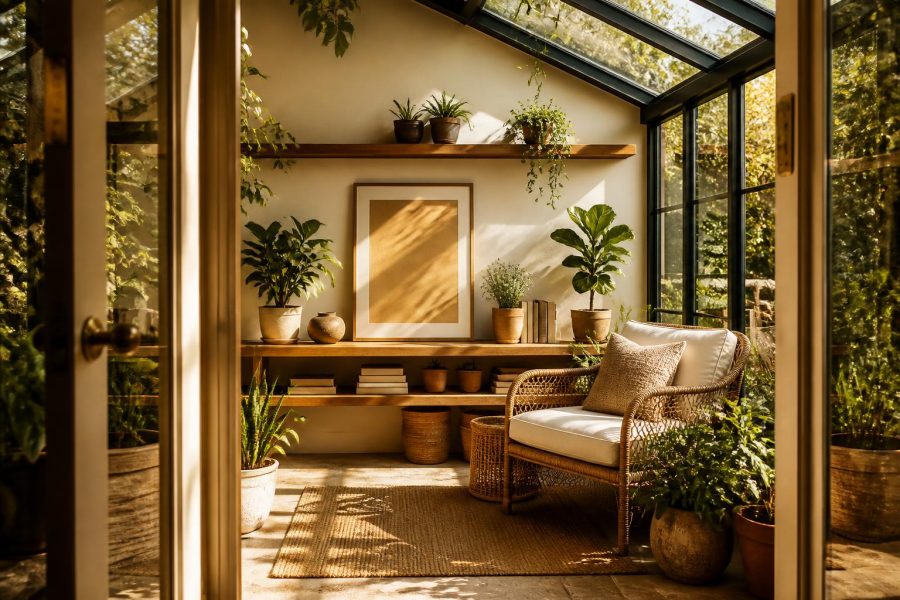
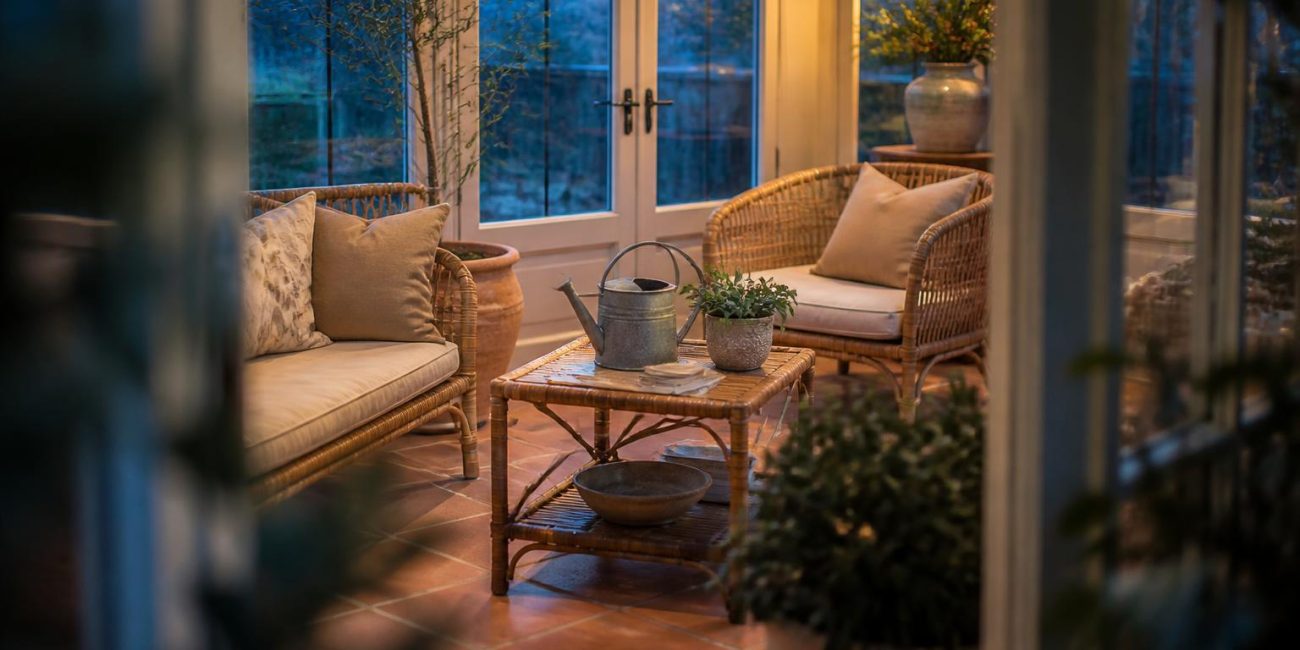
Your garden should feel like an outdoor room, reflecting interior decor choices through color, texture, and form. Use furniture silhouettes and fabrics similar to indoor schemes to create visual continuity from doorsill to garden edge. Add planters that echo your preferred materials—ceramic, metal, or wood—so vessels become part of the decor rather than afterthought accents. Thoughtful alignment with interior style makes outdoor spaces more inviting and coherent.
Plant selection can be a direct extension of interior color blocks, so choose foliage with complementary hues that reinforce room palettes. For example, silvery greens pair well with warm whites and soft timbers, while deep reds provide accents that mimic autumn upholstery. The result is a cohesive outdoor living area that feels intentionally designed, rather than randomly assembled, supporting both gardening goals and decor ambitions.