
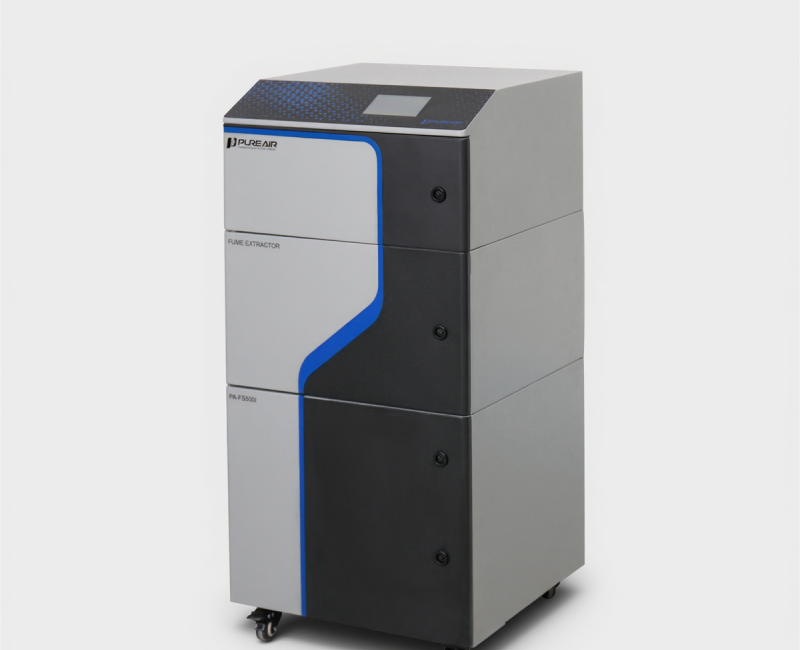
Introduction — a cheeky look at the smoke and mirrors
Ever wondered why your small workshop smells like a chip shop after a week's run of engraving? Right, mate — here's the thing: we see piles of residue, and the data shows airborne particles spike by up to 10x during runs. In that light, a proper laser engraver fume extractor matters more than we admit. (Apples and pears aside — it’s not just about smell.)
I’ll be straight with you: I’ve watched hobbyists and pros alike try ducting hacks and plug-in fans, thinking they’ve solved it. But the harm from ultrafine particles and VOCs is real. So what’s missing from the usual setup — and how do we make extraction actually work in practice? Let’s walk through the gaps and the ways forward.
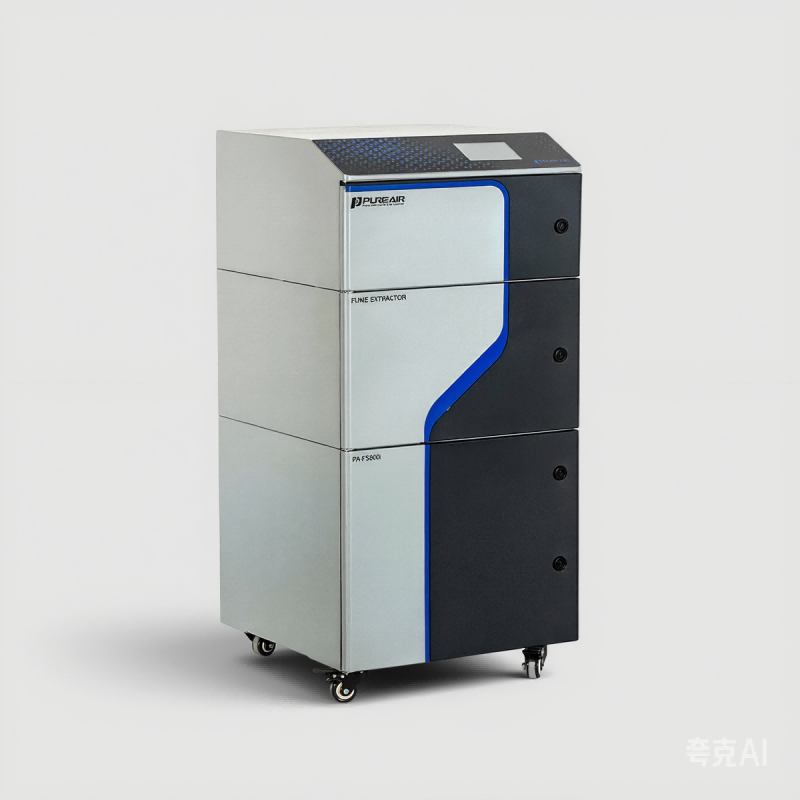 Where the usual fixes trip up: deeper flaws and user pain points
Why do standard filters fail?
I link this straight back to the opener: when folks bolt on a cheap fan or a filter, they think job done. But systems that rely only on weak suction or thin media miss the mark. The smoke purifier for laser engraver label gets tossed around, yet many so-called solutions lack the right stages — HEPA filter depth, activated carbon for VOCs, and a robust blower motor that keeps airflow steady. I’ve seen it myself: filters clog fast, and the unit simply recirculates nasties.
From a technical angle, there are two big problems. First, underpowered blowers mean low capture velocity at the source. If your ventilation duct is tiny or the fan is weak, you do little to stop plumes. Second, filter media choices are often wrong: a thin pad grabs only large particulates, not the fine particulates or gases. Look, it’s simpler than you think — but it takes thought. Users also suffer from maintenance pain. Filters get replaced too late; sensors aren’t present to tell you when. That’s a usability fail. — funny how that works, right?
Principles for what comes next: new-technology thinking
What’s Next?
Now we shift gears. I want to sketch the principles that actually help. Think modular stages: capture, filtration, and monitoring. Capture needs focused inlet geometry close to the laser exit. Filtration should combine a pre-filter, a deep HEPA stage, and an activated carbon bed for VOCs. Monitoring means simple sensors—particle counters, a pressure drop readout, maybe even basic airflow meters driven by a reliable power converter. The smoke purifier for laser engraver concept should be built around those blocks, not around marketing jargon.
For future outlook, I expect smarter controls and better ergonomics. Edge computing nodes for predictive maintenance? Perhaps. But even modest steps help: clear indicators, easy-to-swap cartridges, and a blower motor sized to deliver consistent cubic feet per minute at the inlet. We’ll see compact units that still respect physics — and that’s important. If you’re picking a system, test it under load. — and yes, check the specs, not just the pretty photos.
Closing: three practical metrics I use when I evaluate units
I’ll leave you with three plain metrics I trust when choosing an extractor. First, capture efficiency at the source — measured or observed near the workpiece. Second, multi-stage filtration (pre-filter, HEPA, activated carbon) and the rated removal for ultrafine particles and VOCs. Third, maintenance clarity: clear filter life indicators and simple cartridge swaps. If a unit scores well on those, it’s worth a close look.
I’ve built, tested, and fixed a fair few systems, and I’ll say this: good engineering beats gimmicks every time. We want clean air, reliable parts, and a setup that a human can maintain without fuss. If you want to explore proven options, take a look at PURE-AIR: PURE-AIR.