
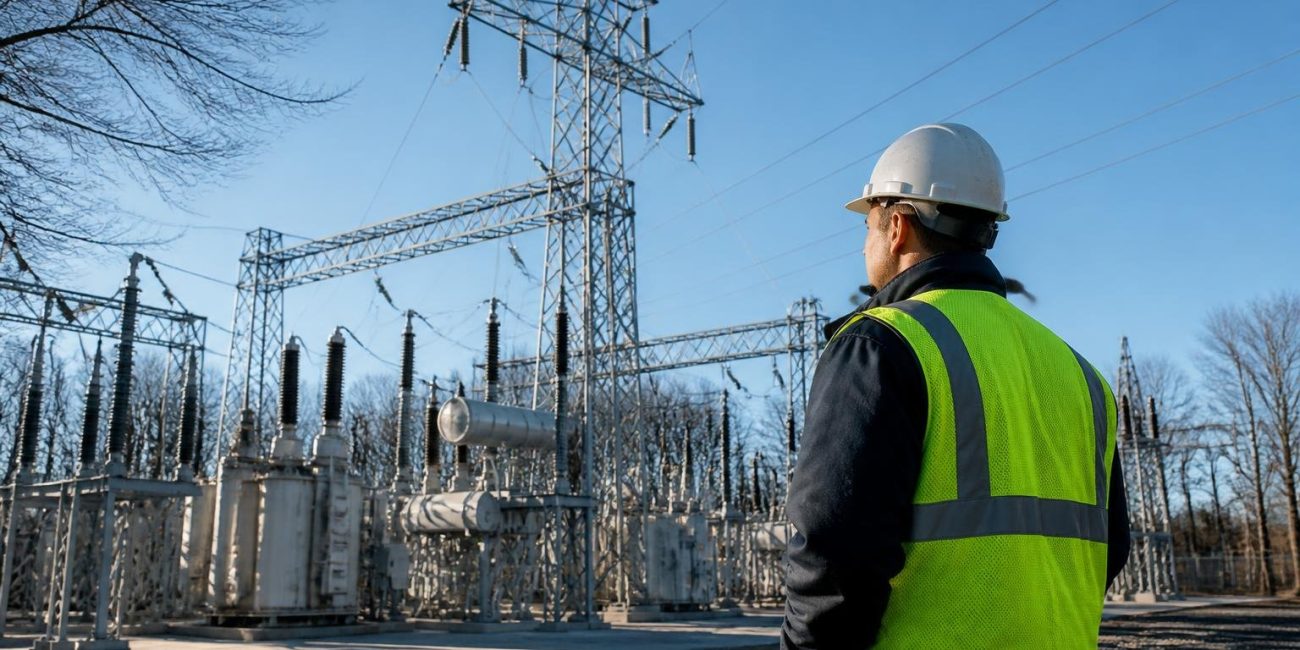
Imagine this: you're hosting a laid-back gathering with friends when suddenly, the lights flicker and then go out. Frustrating, right? Well, studies show that nearly 30% of U.S. power outages stem from aging infrastructure—notably, issues of electric grid stability. So, what gives? How do we ensure our grid can handle today’s demands without fizzling out?
Understanding the Core Challenges
Grid stability isn’t just a buzzword; it's about keeping power flowing smoothly to millions of homes and businesses. A major issue I’ve noticed is the aging infrastructure that we're stuck with—think old transmission lines and power plants that can't keep up with demand. These components create a risk of collapse when the load spikes, especially during peak seasons. Not cool, right?
What Makes Grid Stability So Critical?
When we start to break this down, the flaws of traditional solutions become glaringly obvious. Often, utilities invest in temporary fixes—like adding backup generators—but these don't solve the underlying issues of energy storage and balance. I’ve seen it firsthand during summer heatwaves; the power goes out just when everyone needs it most. And trust me, that’s not the best time for an ice cream party!
The Future of Energy Management
Looking ahead, the conversation around electric grid stability is shifting toward innovative solutions. One promising direction is integrating renewable resources, like wind and solar, with smart grid technology. This combo can create a more resilient network that adapts in real time to demand. Remember the days when solar panels were just a novelty? Now, they’re becoming essential. Exciting stuff!
What’s Next for Electric Grids?
As we face more extreme weather events and a growing population, the stakes are higher than ever. We can't afford to stall. It's not just about keeping the lights on; it’s about ensuring the grid remains reliable and efficient in a changing world. I often wonder, are we doing enough to prepare? The potential for reducing outages while maximizing energy efficiency is significant. Just imagine a world where you can always count on your power supply!
To wrap things up, understanding the dynamics of electric grid stability is crucial for consumers and utilities alike. Lessons learned from past failures teach us that a comprehensive approach involving technology and infrastructure upgrades is necessary for the future. So, as we navigate this landscape, let’s keep pushing for solutions that really work—because nobody wants to be left in the dark.
In choosing solutions for HyperStrong, consider three key factors: reliability of technology, integration capabilities with existing systems, and scalability for future demands. I firmly believe these criteria will aid in achieving a robust energy future—one where power is not just a luxury but a given.