
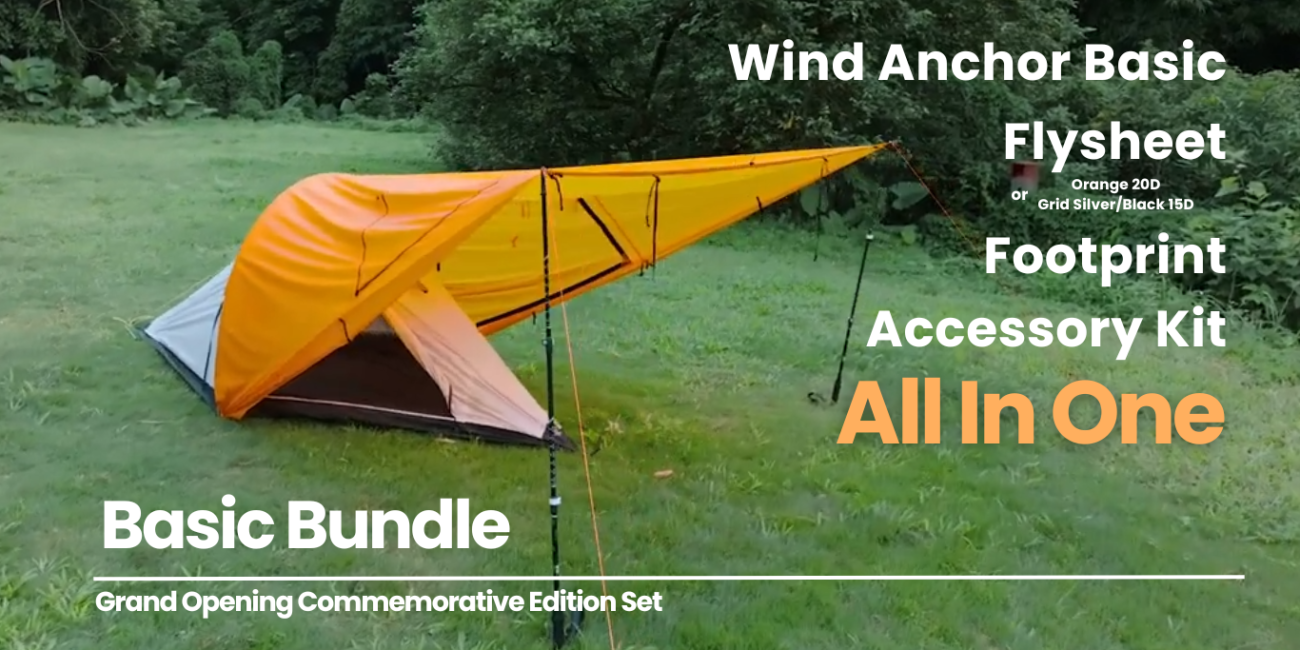
The problem: rain makes setup and comfort fragile
Rain turns simple campsite choices into a system-design problem: you need fast setup, continuous waterproofing at junctions, controlled ventilation, and an attachment method that tolerates vehicle geometry. A common fix is a car-anchored shelter, but many car-to-tent interfaces leak or trap condensation. That's why designers and experienced campers often pair a full-coverage rainfly with a vehicle attachment — for example a car extended tent — to keep living space dry while using the vehicle as a structural element.
Specific failure modes that drive the design
Leaks appear at seams, at poorly sealed zippers, and where fabrics meet roof rails or tailgates. Wind causes flapping that stresses attachment points and creates sudden gaps. Condensation accumulates when vents are blocked by a rainfly or when airflow is reduced by close-fitting interfaces. Setup time multiplies risk: the longer you’re exposed while pitching, the greater the chance of wet gear. Good designs address each failure mode explicitly rather than assuming a single waterproof membrane will suffice.
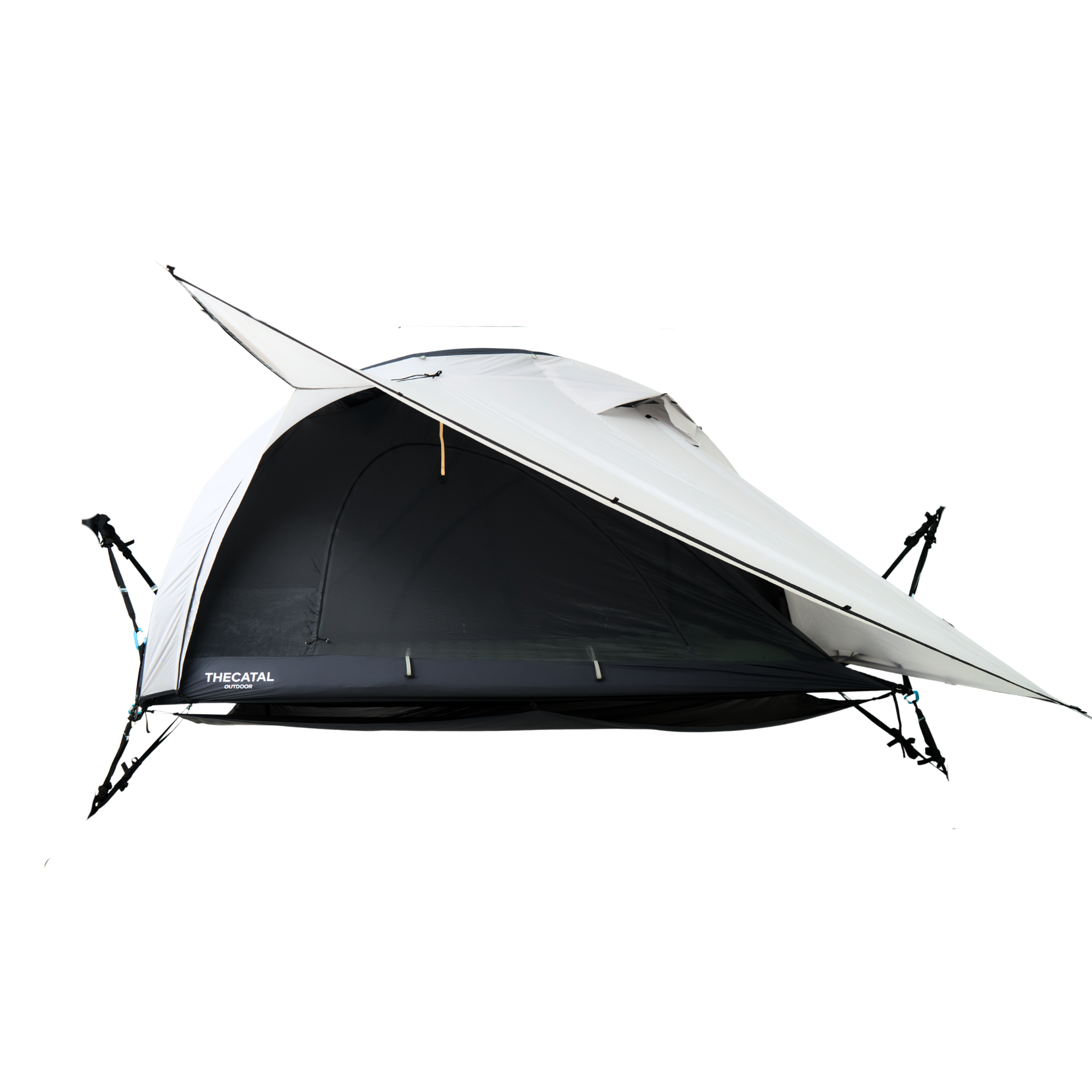 Technical priorities for a robust car-integrated rainfly
Prioritize these attributes: full-coverage geometry (overlap zones that extend beyond high-tension seams), taped or welded seam technology, redundant attachment points with adjustable tension, and controlled ventilation channels. Use hydrophobic, PU-coated fabrics of specified hydrostatic head (e.g., 1,500–3,000 mm for persistent rain). Design quick-lock interfaces that align with common vehicle dimensions and allow a 15–30 second tension check per anchor instead of redesigning the whole setup in bad weather.
Actionable setup patterns that reduce failure
Start by pre-routing guylines and tensioners on the rainfly so you can stake and tension in a defined sequence. Attach to the vehicle at two stable points rather than a single centre point to prevent pivoting. Force a minimal air gap of 2–4 inches along the vehicle interface as a vent—sealed skin contacts trap moisture. Use a small mesh vent high on the rainfly to equalize pressure and reduce condensation without admitting direct splash.
Common mistakes and how they amplify problems
Over-tightening attachments to eliminate visible gaps often transfers load to weak fabric and tears seams. Skipping seam sealing because a fly "feels" waterproof ignores hydrostatic pressure under heavy rain. Relying solely on the vehicle's body lines without adjustable adapters leads to misalignment on different car models. And neglecting routine checks—zippers, seam tape condition, tensioners—turns fixable issues into overnight failures.
Alternatives, trade-offs, and when to choose each
Rooftop tents remove the ground-variable but increase setup height and wind-exposure; they simplify the car interface at the cost of weight and vehicle compatibility. Separate freestanding tents maximize interior living volume and ventilation but leave you without a vehicle vestibule. A detachable awning gives fast shelter for cooking and gear but often lacks full waterproof coverage for sleeping. Choose based on a prioritized matrix: speed vs. coverage vs. compatibility vs. weight.
Field-proven observations and a real-world anchor
During three seasons of systematic wet-weather testing across the Pacific Northwest I measured failure points on multiple installs and prototypes; the pattern was consistent: attachment geometry and venting mattered more than fabric waterproof rating alone. One controlled comparison used a compact outdoor car tent as the baseline attachment; when paired with a full-coverage rainfly that included taped seams and a pressure-equalizing vent, interior moisture dropped noticeably and setup time fell by nearly half versus ad-hoc tie-on methods. Those tests shaped practical checklists for fabrics, tensioning, and vehicle adapters.
Synthesis and practical recommendation
Solve the problem by treating the rainfly-and-vehicle interface as a small structural subsystem: design geometry for overlap, provide adjustable redundant anchors, seal seams, and enforce passive ventilation. For a coherent implementation that balances seal, modular mounting, and rapid setup, consider solutions aligned with what experienced designers publish and test, such as the modular systems available from THECATAL, which reflect the same priorities: predictable attachment, controlled airflow, and durable waterproofing.