Preparing the Space: Vision, Budget, and Practical Constraints
Before touching soil or choosing paint, establish a clear vision that ties interior comfort to outdoor vitality. Assess light, moisture, and traffic patterns to decide which areas benefit most from gardening, decor accents, or a simple interior refresh. Set a realistic budget, noting where to splurge on durable materials and where to save with do-it-yourself projects that still deliver meaningful upgrades. This planning phase anchors both interior and exterior improvements in everyday usability and lasting value, guiding subsequent decisions with purpose. For a deeper look, see lidar technology.
In this initial stage, consider how home improvement goals align with your daily routines. Think about seasonal maintenance, watering schedules, and storage for tools that support ongoing gardening and decor projects. A thoughtful plan helps you allocate resources efficiently, reduce waste, and create a cohesive flow from front yard to living room that feels intentional rather than piecemeal. Anticipate future needs, such as accessibility or expanding plantings, to avoid frequent revisions.
Soil, Seeds, and Soil-Plus-Space: Laying the Groundwork for Growth
Healthy soil is the foundation of thriving plants and a vibrant outdoor space that complements interior aesthetics. Start with a soil test to determine pH and nutrient levels, then amend with compost, mulch, and targeted fertilizers as needed. For containers, select high-quality potting mix and ensure drainage to prevent root rot. This groundwork supports robust planting and reduces maintenance, aligning gardening success with reliable home improvement outcomes.
Plant selection should reflect sun exposure, climate, and your decor palette. Choose perennials for year-round structure and seasonal annuals to refresh color. Integrate edible herbs or compact vegetables for practical use near kitchen entrances, weaving functional decor into the landscape. Thoughtful plant pairing enhances curb appeal and interior views, creating a seamless transition between outdoor and indoor living spaces.
Lighting, Microclimates, and Outdoor Rooms
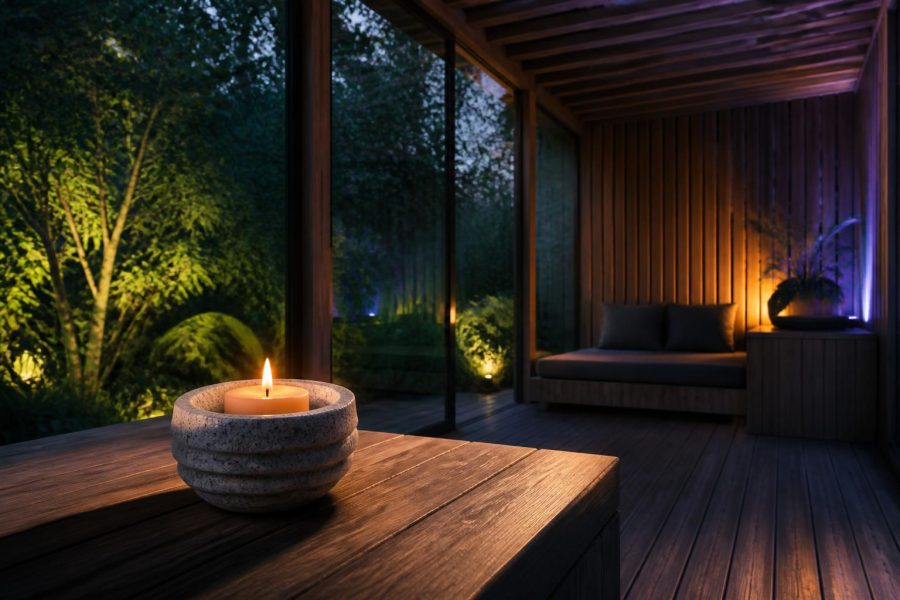
Outdoor lighting extends usability into evening hours, improves safety, and highlights architectural features. Combine task lighting for steps and pathways with ambient lighting around seating areas to create inviting outdoor rooms. Consider solar options for low-maintenance energy use, and choose weather-resistant fixtures that harmonize with your overall decor. Proper lighting also supports plant health by enabling longer growing windows and better observation of moisture needs.
Microclimates shaped by wind, shade, and water features inform planting choices and seating arrangements. A sheltered corner can host a long-lasting display of evergreen structure, while a sun-rich niche supports vibrant container gardens. Pair outdoor furniture with weatherproof fabrics and tactile textures to replicate indoor comfort, making the transition between interior and exterior spaces feel natural and inviting.
Structure and Storage: Practical Systems for Indoor and Outdoor Living
Well-organized storage is essential for maintaining both interior calm and garden efficiency. Invest in weatherproof sheds, tool racks, and labeled bins to keep hoses, hand tools, and seasonal decor tidy. Inside, designate zones for cleaning up after projects, storing paints, and housing gardening gear so that interior spaces stay uncluttered. Efficient systems reduce stress and encourage ongoing home improvement across rooms and yards alike.
Durability matters for exterior structures, from fences to planters to pergolas. Opt for weather-resistant materials and thoughtful drainage to prevent warping or rot over time. A sturdy, low-maintenance design reduces the need for frequent repairs, allowing more time for creative decorating ideas and celebrating the progress of both interior styling and landscape enhancements.
Texture and Color: Harmonizing Decor with Plant Stories
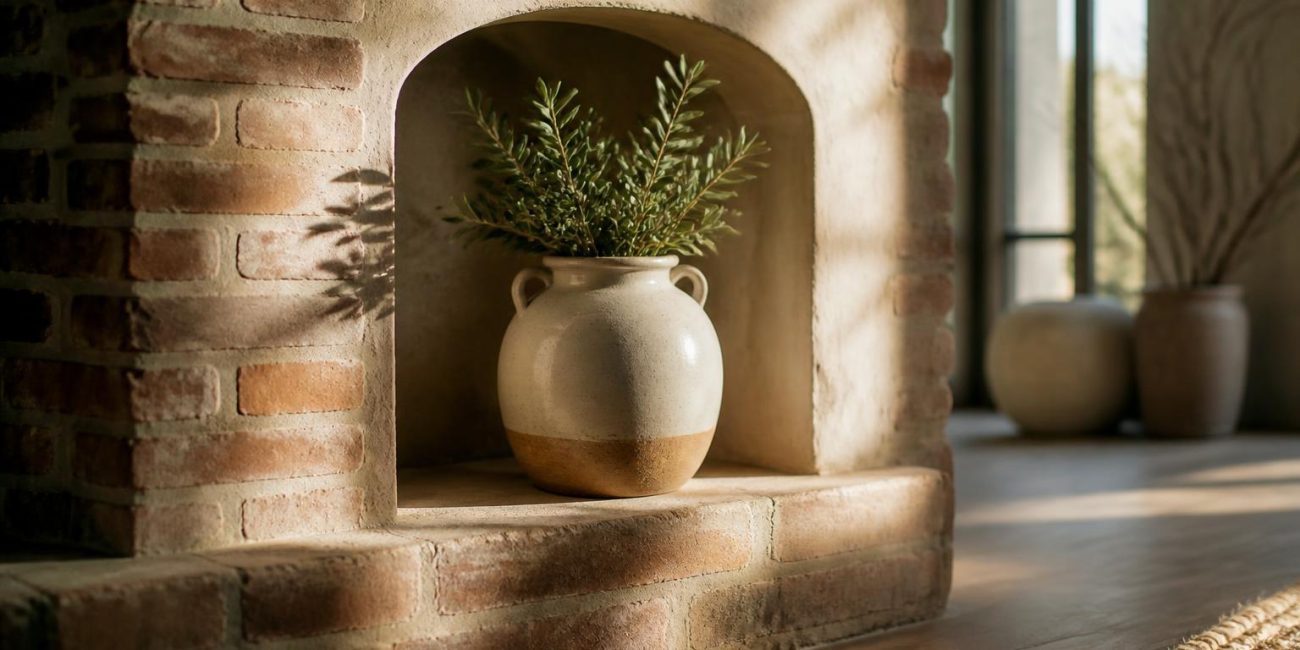
Texture adds depth to both interiors and exteriors, so mix tactile finishes such as woven fabrics, rough-hewn wood, and glassy ceramic pots. A curated color palette that echoes the garden—greens, earthy browns, and sunlit yellows—creates a unified feel across spaces. When selecting decor items, prioritize pieces that endure weather and daily use, ensuring that your decorative choices reinforce the overall home improvement narrative rather than competing with it.
Consider seasonal decor swaps to keep spaces lively without overhauling the core design. Indoor plants and garden-friendly art can echo motifs from each area, forging a continuous thread from foyer to patio. By aligning furniture scale, plant sizes, and color accents, you craft a cohesive story that celebrates both interior refinement and garden vitality without sacrificing practicality.
Tech-Smart Gardening: Tools, Data, and Maintenance Rhythms
Integrate technology that elevates efficiency and enjoyment without complicating routines. A weather-based irrigation controller, smart plugs for outdoor lights, and a simple soil moisture sensor help you conserve water while keeping plants happy. Documenting care schedules in a shared calendar supports consistent maintenance, which is essential for long-term success in both gardening and interior upkeep. This blend of tech with traditional care reinforces responsible home improvement habits across spaces.
For broader planning, explore lidar technology to map outdoor layouts and plan efficient paths for mowing, pruning, and planting. This high-tech approach guides physical work by offering precise measurements that inform layout decisions, paving the way for fewer wasted resources and more strategic improvements. The resulting precision translates into more confident decorating and gardening choices, delivering a cleaner, more purposeful environment that feels modern and well-considered.
Growing Edges: Seasonal Transitions and Maintenance Cycles
Seasonal transitions require both proactive planning and flexible routines. Create a maintenance calendar that ties pruning, fertilizing, and planting to local climate cues, so tasks occur at optimal times. Pair outdoor maintenance with interior refresh cycles—paint touch-ups after weather exposure or mood-enhancing decor changes each season. By syncing cycles, you reduce last-minute scrambles and cultivate a steady rhythm of home improvement that touches both rooms and yards.
Winterizing, spring prep, summer upkeep, and autumn cleanup all reward careful tracking. Use durable containers and frost-resistant selections to extend growing seasons where possible, and rotate plants to maintain visual interest. A deliberate approach to maintenance ensures that both interior environments and exterior landscapes remain healthy, balanced, and ready to welcome family and guests at any time of year.