Foundations for a Enriched Outdoor-Indoor Experience
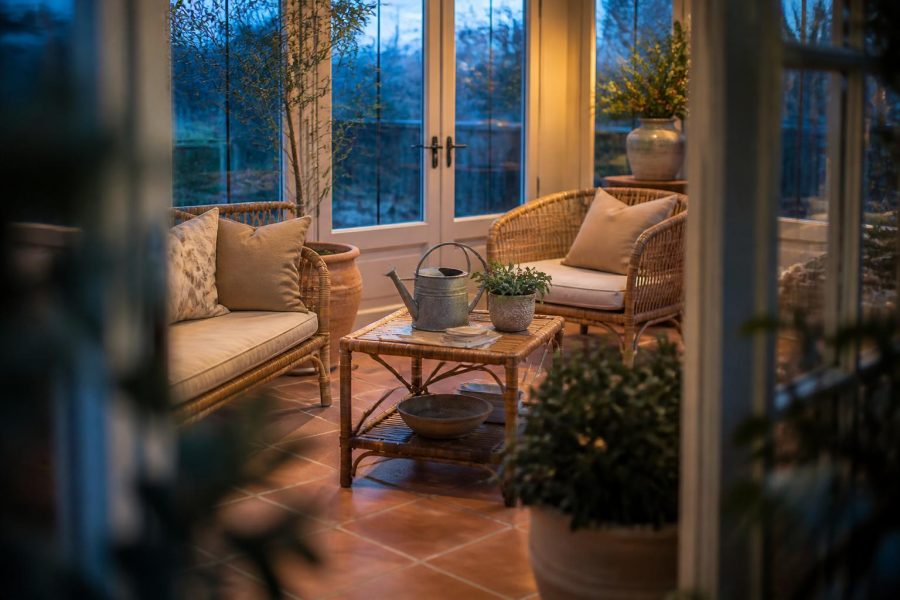
Creating a cohesive space that flows from interior rooms to the garden begins with deliberate zoning and consistent materials. Start by selecting a color palette that echoes indoors, including soft neutrals and accent tones found on textiles and furniture, then extend those hues into planters, fences, and seating. Thoughtful lighting, weatherproof cushions, and durable surfaces ensure comfort after dusk and resilience in fluctuating weather. awd robot lawn mower can free time for more gardening and interior projects, reinforcing the connection between home improvement and outdoor decor.
Invest in sturdy, adaptable furniture that withstands sun and rain while remaining stylish. Choose pieces with clean lines that mirror indoor seating, so the transition between spaces feels intentional rather than accidental. As you plan, map routes from doors to seating areas, then add shaded alcoves and herb corners to demonstrate how decor choices reinforce both functionality and atmosphere across your home and garden ecosystem.
Soil, Water, and Plant Selections That Speak to Your Style
Healthy soil is the foundation of thriving plantings and a successful garden experience. Begin with a soil test to determine pH and nutrient levels, then amend with compost and organic matter to improve structure and moisture retention. Choose a mix of native perennials and architectural shrubs that align with your climate, ensuring bloom times stagger for long-lasting visual interest in beds near living spaces and pathways that invite exploration.
Water management matters as much as plant choice. Install a drip-irrigation system or soaker hoses to minimize waste while keeping roots consistently moist. Pair drought-tolerant species with decorative mulch for color and texture, and incorporate rain barrels to support sustainable gardening practices. The end result should feel natural and effortless, as if the landscape has always belonged to your interior design narrative.
Lighting and Ambiance: Extending Interiors Outdoors
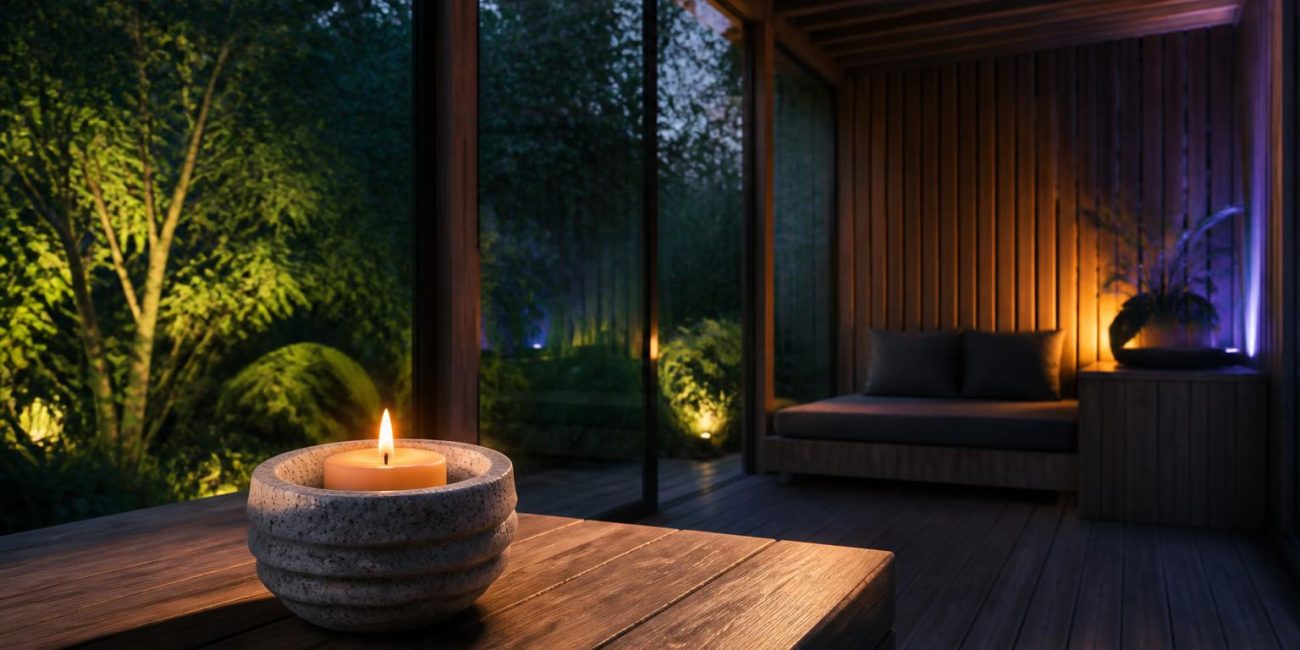
Layered lighting is essential for safety and mood, especially along walkways and near seating zones. Combine pathway lights, string lights, and warm ground-level lamps to create a forgiving atmosphere after sunset. Dimmer switches and color temperature options help tailor scenes from bright garden tasks to intimate evenings, while weatherproof fixtures protect investments and maintain visual appeal across seasons.
Decorative lighting also highlights focal points such as architectural features, water elements, or specimen trees. Use lanterns, candles, or portable lanterns to add warmth without clutter, and ensure cords are tucked safely away from foot traffic. Thoughtful illumination transforms the garden into a living room extension, reinforcing a seamless interior-to-exterior design story.
Hardscape as Part of the Decor Narrative
Paths, patios, and seating walls establish structure and rhythm in outdoor spaces. Choose materials that complement indoor flooring or cabinetry finishes, such as natural stone or textured concrete that echoes kitchen island topping or bathroom tiles. Integrate a subtle water feature or a fire pit to anchor conversations, ensuring scale is appropriate for both entertaining and everyday relaxation in an interior-inspired garden layout.
Attention to maintenance is essential; select durable pavers and sealants that resist staining and weathering while remaining easy to clean. Create a sense of continuity by repeating textures or colors found indoors, from the same wood grain on a bench to the shade of planters. A cohesive hardscape elevates the entire property and mirrors thoughtful home improvement projects inside the house.
Vertical Gardening and Space-Saving Solutions
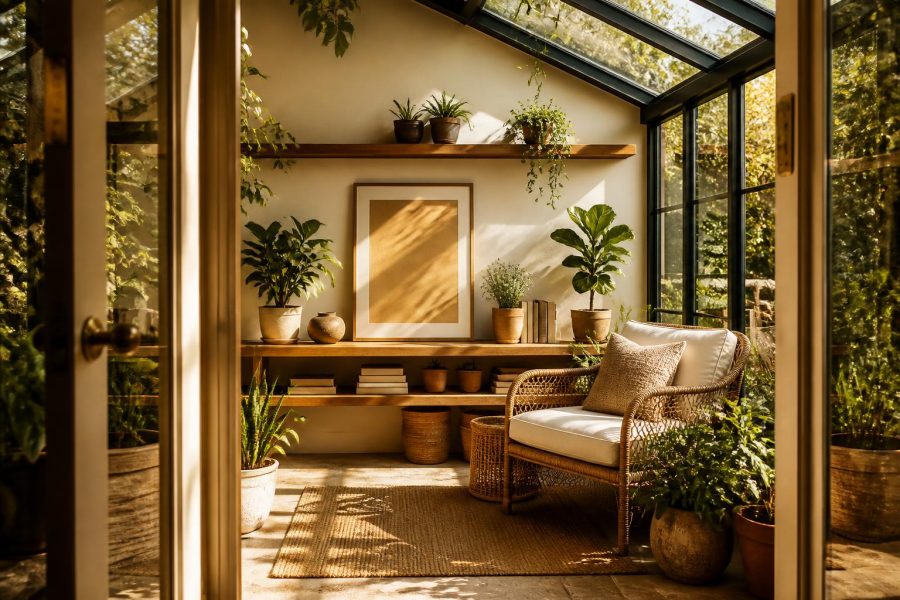
Limited outdoor space can still yield lush results through vertical gardening and clever container arrangements. Install wall-mounted planters, trellises, and tiered shelves to maximize growing areas without sacrificing floor space. Choose compact, high-yielding herbs and leafy greens that are easy to harvest, then align them with kitchen tasks to reinforce a practical home improvement narrative that blends interior and exterior living.
Use vertical structures to create microclimates that influence airflow and shade, helping plants thrive while adding architectural interest. Incorporate decorative screens or lattice panels that also function as art pieces when not in use for climbing vines. When designed thoughtfully, vertical gardening becomes an extension of decor and a practical solution for any home gardener seeking efficiency and beauty.
Seasonal Transitions: A Year-Round Home-Garden Dialogue
Plan for seasonal shifts by selecting evergreen anchors and a rotating cast of perennials and annuals that keep color and texture present throughout the year. Maintain tidy beds with mulching and pruning routines that reflect indoor organization standards, reinforcing the idea that gardening is a continuation of interior care. A seasonal calendar helps schedule tasks so maintenance never becomes overwhelming and the landscape remains inviting in every season.
Seasonal decor accents—ornamental grasses in autumn, lanterns in winter, and bright container plantings in spring—create a dynamic dialogue with interior styling. Use textiles, cushions, and small sculptures to reflect changing moods, ensuring the garden remains a living space that supports daily living, entertaining, and quiet moments of reflection alike.
Maintenance Routines That Protect Your Investment
Establish a simple, repeatable maintenance workflow that balances garden tasks with interior upkeep. Regular pruning, weeding, and fertilization should be scheduled in short, focused sessions to prevent backlog. Protect soil health by rotating plantings and gradually introducing new specimens, while keeping irrigation adjustments aligned with weather patterns to conserve water and reduce costs.
Organize tools with a dedicated outdoor storage system that mirrors interior closets, emphasizing accessibility and order. Labeling, vertical storage, and color-coded bins reduce clutter and encourage ongoing care. When maintenance becomes routine, both interior spaces and gardens stay cohesive, resilient, and ready for spontaneous gatherings or quiet evenings alike.
Texture and Texture: A Short Interlude
- Soft fabrics and weatherproof textiles create approachable, cozy nooks near entryways and seating areas.
- Natural materials like wood and stone harmonize interior decor with outdoor hardscapes.
- Minimalist decor accents prevent visual overload while preserving personality.