Planning Your Weekend Garden Makeover
Begin with a clear plan that balances function and style for both interior and exterior spaces. A thoughtful approach to layout can guide plant choices, furniture placement, and lighting, transforming yards into rooms without walls. Consider sun, wind, and water flow as you sketch zones for dining, relaxation, and growing edibles, ensuring each area serves a purpose while remaining visually cohesive. battery chainsaw helps with quick pruning and shaping, especially when you need to reclaim overgrown edges after a long winter or busy season of home improvement tasks.
Set a realistic budget and timeline, then map tasks by priority to avoid scope creep. Start with essential infrastructure such as irrigation, drainage, and soil quality, as these foundations influence every later decision. When you plan, think about how the garden will evolve with the interior changes you already envision, ensuring decor elements echo your home’s style while offering durable outdoor appeal.
Soil, Water, and Shade: Building a Healthy Foundation
Healthy soil is the cornerstone of productive gardening and lasting landscape design. Test your soil to determine pH, nutrient levels, and texture, then amend with compost, mulch, or strategic amendments to support resilient plant growth. A robust base reduces maintenance in the long run, lowers irrigation needs, and enables you to select plants that thrive with less intervention, aligning with sustainable home improvement goals.
Water stewardship matters as much outdoors as indoors. Install efficient irrigation, mulched beds to conserve moisture, and rain barrels to capture runoff for dry periods. Shade management—via native trees or pergolas—can cool spaces naturally, reducing cooling costs in adjacent interior rooms and creating comfortable microclimates that invite year-round outdoor living and decor-oriented garden accents.
Containers, Borders, and Year-Round Interest
Container plantings offer flexible drama and quick transformation without heavy labor. Choose a mix of seasonal color, evergreen structure, and fragrant herbs to keep interest from early spring to late fall. Elevate containers with varied materials—terracotta, resin, and metal—paired with consistent color accents that tie porch, patio, and garden together as a cohesive decor vignette.
Edging and borders define spaces and improve maintenance. Install low, slip-resistant paths, flush lawn edges, or softened curves to guide movement and protect plantings. Use dwarf varieties near seating for perception of scale, and layer textures—grasses, foliage plants, and flowering perennials—to maintain visual momentum even when blooms are scarce, supporting a durable, low-effort home improvement aesthetic.
Edible Gardens: Harvest, Health, and Home Ambiance
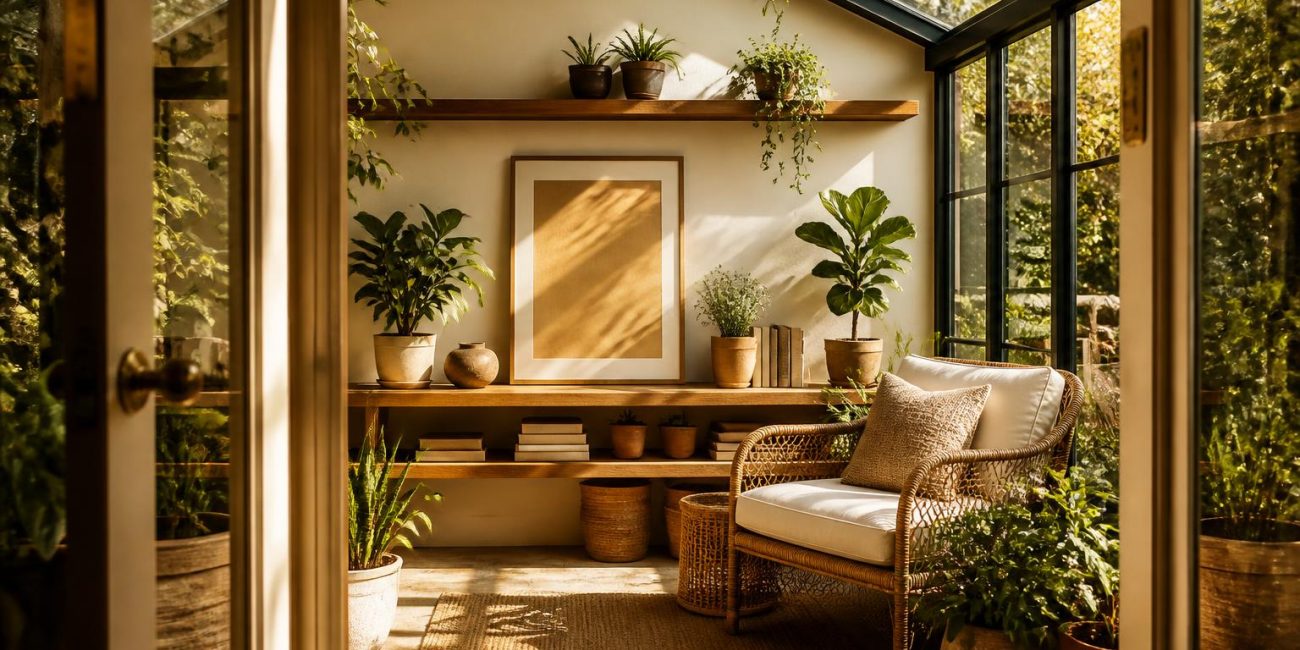
Edible plantings create a practical link between gardening and interior lifestyle, delivering fresh produce that enhances meals and decor alike. Plan raised beds or vertical gardens to maximize space, choosing crops that suit your climate and harvest rhythm. Cooking herbs, compact tomatoes, and leafy greens integrate seamlessly with kitchen decor when placed near accessible outdoor dining zones.
Seasonal harvests become décor moments—baskets of herbs dangling from a pergola, a row of colorful peppers against a wooden fence, or a tidy herb spiral beside a casual seating area. Consider pollinator-friendly companions to boost yields and support biodiversity, while creating a lively, sensory landscape that rewards both hands-on home improvement projects and everyday outdoor enjoyment.
Outdoor Living: Furniture, Lighting, and Seasonal Decor
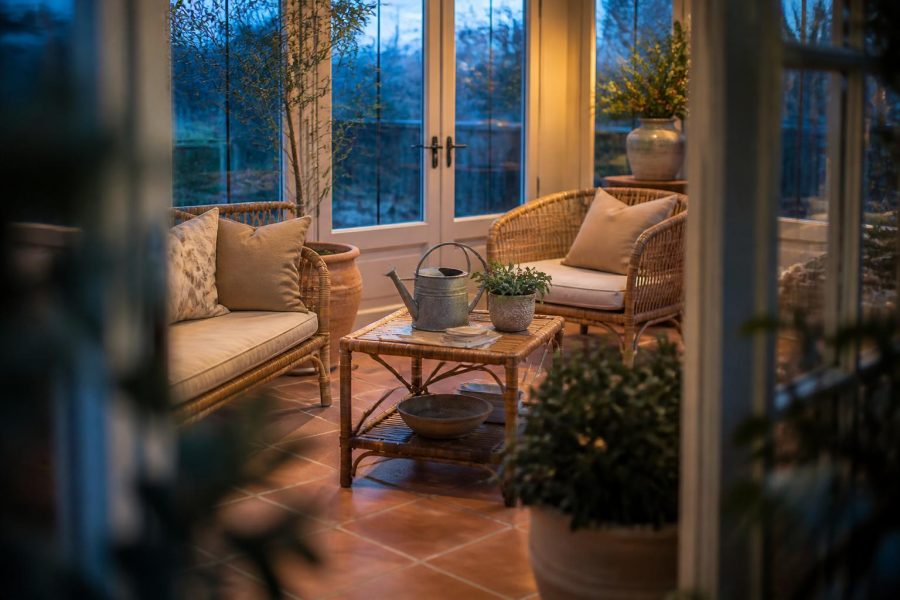
Outdoor furniture should blend comfort with durability and reflect your interior style. Invest in weather-resistant seating, a sturdy table, and modular pieces that can rearrange to accommodate gatherings. Layer lighting—from ground-level path lights to ambient string lights—to extend usability after dusk, creating a warm ambiance that mirrors interior living rooms and elevates exterior decor without frequent replacements.
Seasonal decor provides ongoing opportunities to refresh your space with minimal effort. Swap cushions and throws with the seasons, integrate planters featuring seasonal blooms, and add architectural elements like trellises or screens to punctuate focal points. Keeping decor cohesive with interior design ensures a smooth transition between inside and outside, reinforcing a unified home improvement narrative that resonates through both spaces.
Maintenance Mindset: Simplicity, Tools, and Routine
Adopt a lightweight maintenance routine that emphasizes consistency over intensity. Short, regular checks of irrigation, pruning, and mulch layers prevent small issues from becoming major problems, saving time and money. Use easy-to-clean tools and organize storage to minimize clutter, making outdoor upkeep feel less like work and more like a satisfying, ongoing hobby that complements interior upkeep strategies.
Choose tools with efficient designs and strong warranties to support long-term use. A routine that aligns with your seasonal calendar—spring planting, summer watering, fall cleanup, and winter protection—helps you stay ahead of problems and keeps both garden and decor looking intentional year-round, reinforcing a calm, well-managed home environment.
Lighting and Color: Nightscape Magic for Every Season
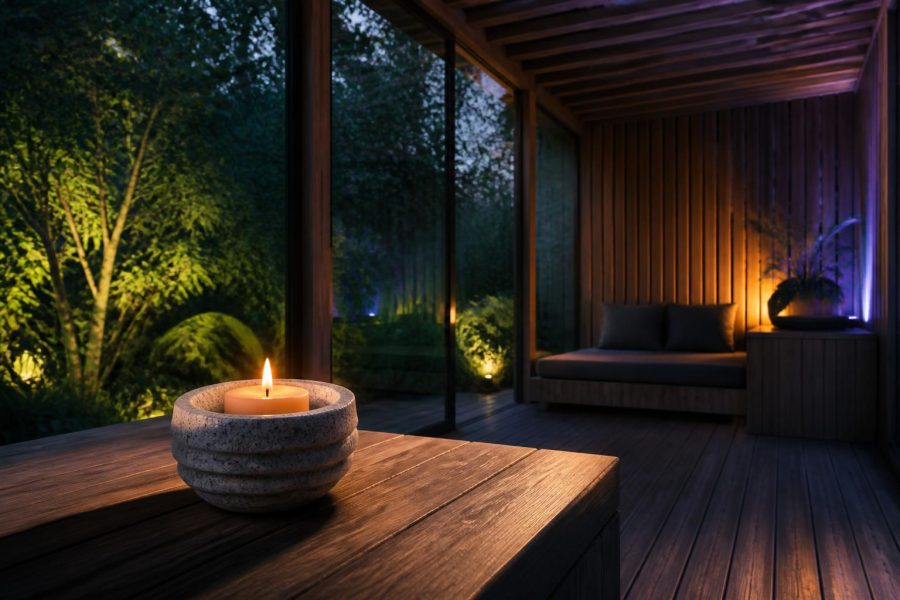
Strategic lighting transforms a garden after dark, highlighting focal plants, architectural features, and seating areas. Use warm, dimmable options near dining spaces and cooler, brighter accents along pathways to guide movement safely. Color temperature and fixture style should echo interior lighting choices, reinforcing a cohesive decor story that spans both domestic spheres.
Seasonal color planning extends lighting into the daylight hours through plant selection. Pair flowering shrubs with evergreens for structure, and rotate annuals to maintain visual energy. When colors echo interior decor palettes, you create a harmonious transition from home to garden, elevating the overall sense of place and comfort in every season.
Texture and Texture: A Subtle Layer of Character
- Mix smooth and rough surfaces to add tactile interest in pathways, planters, and seating.
- Incorporate natural materials like wood, stone, and woven fabrics to complement interior decor.
- Use vertical elements such as climbing plants and trellises to add architectural depth.